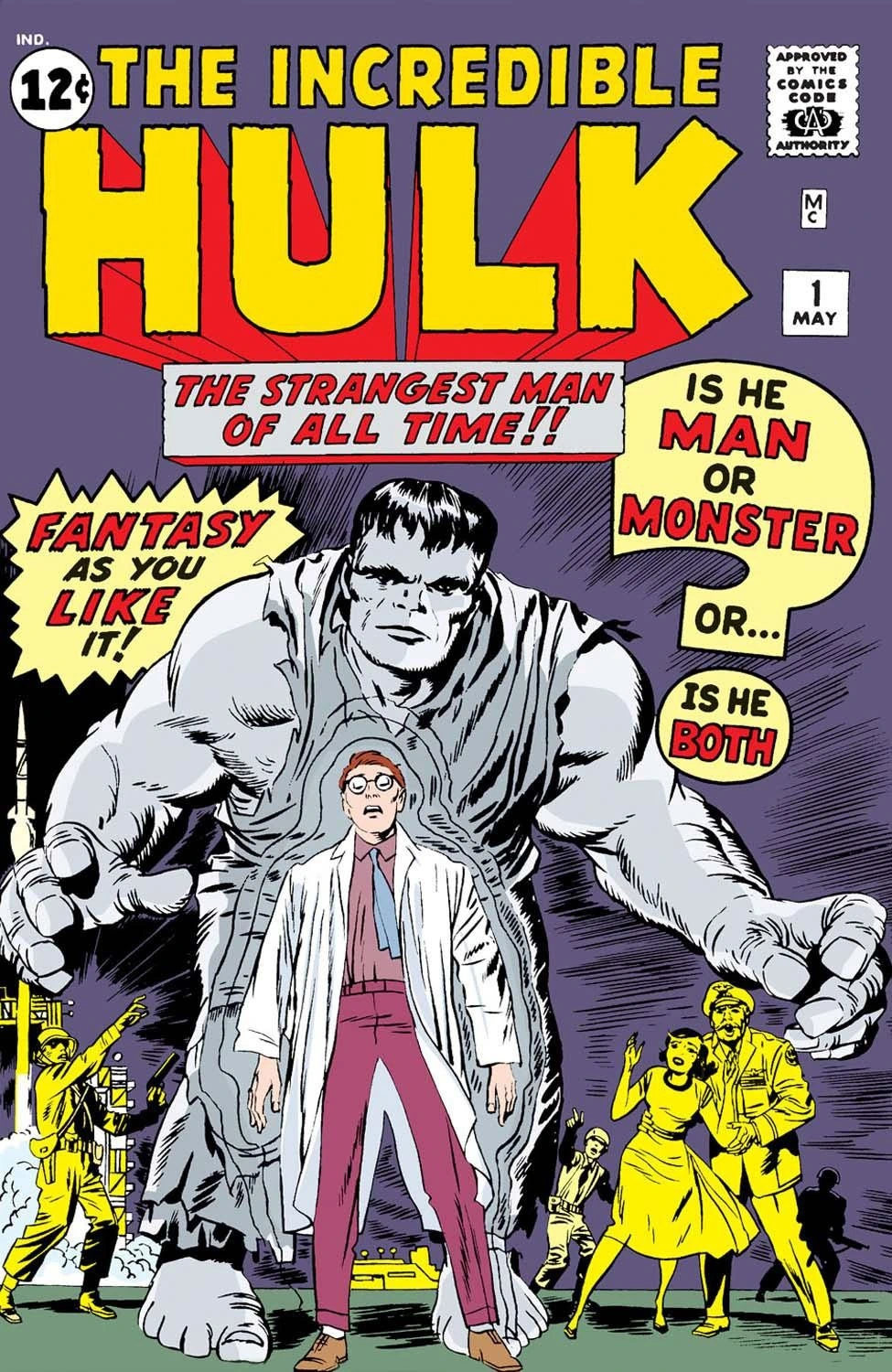
The Incredible Hulk #1
Man or monster?
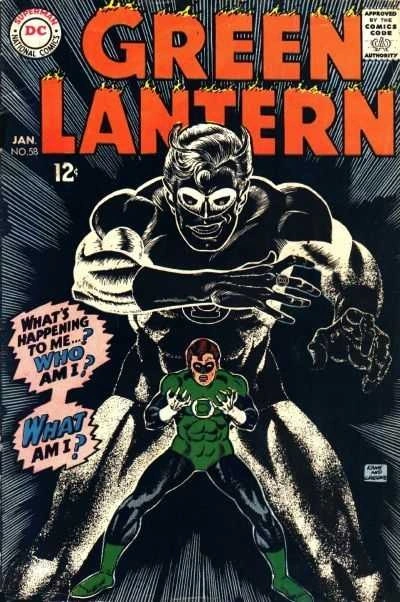
Jack Kirby’s looming Hulk and the smaller Bruce Banner silhouette became a template for transformations, alter egos and monster parodies.
- Homage entries
- 85
- Verified
- 17
- Upcoming
- 1
CoverLineage archive
Browse by source cover, comic title, or artist. Every path follows the same connected artwork.
Title spotlight
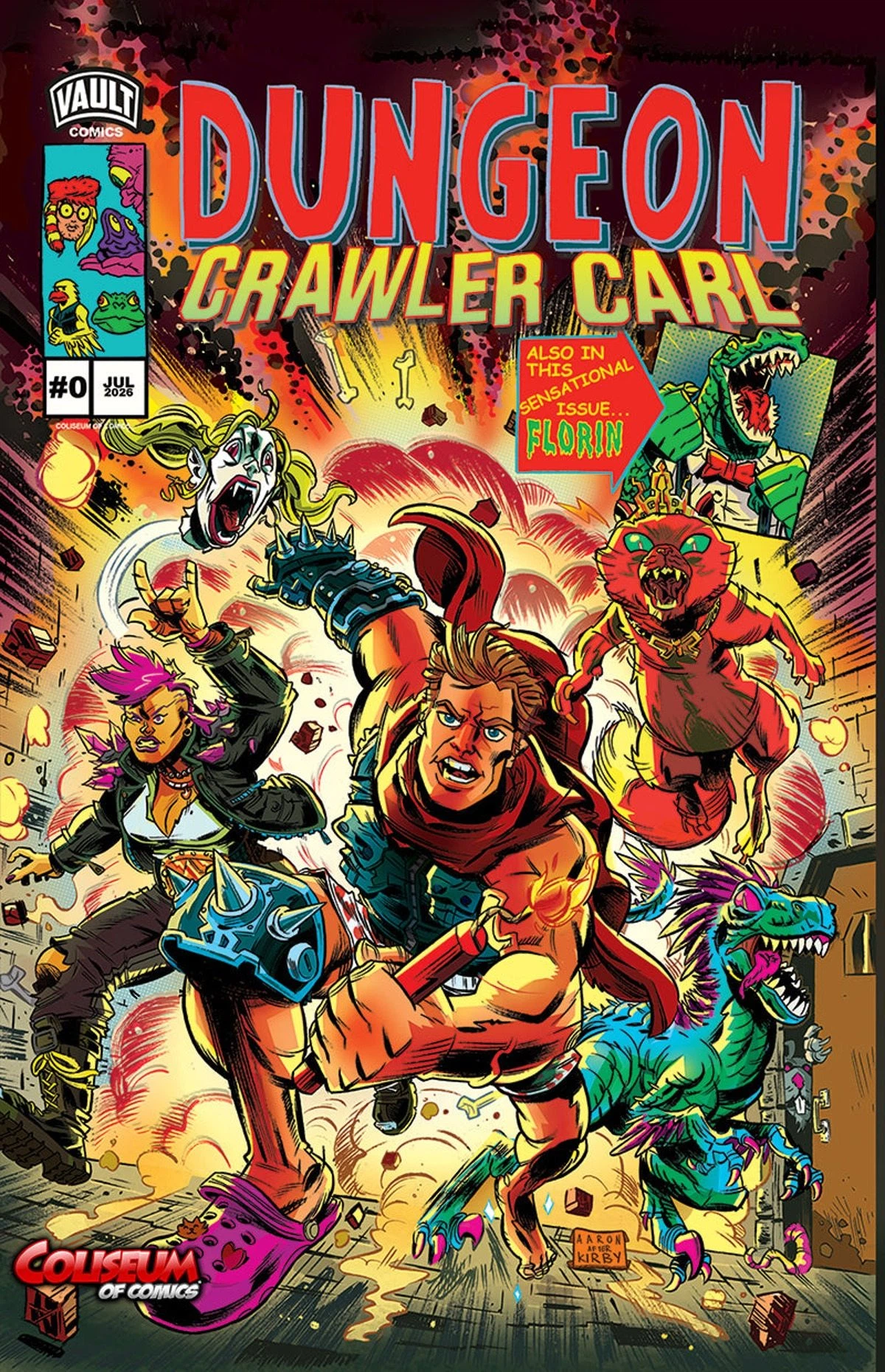
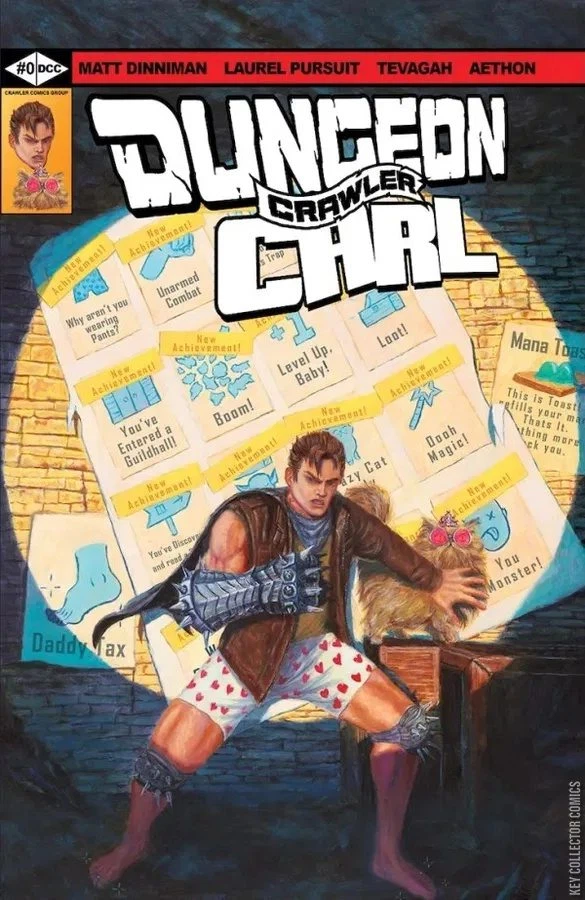
A dungeon full of familiar covers. Explore Carl and Donut’s tributes across comics, manga, games, music, and film.
36 distinct covers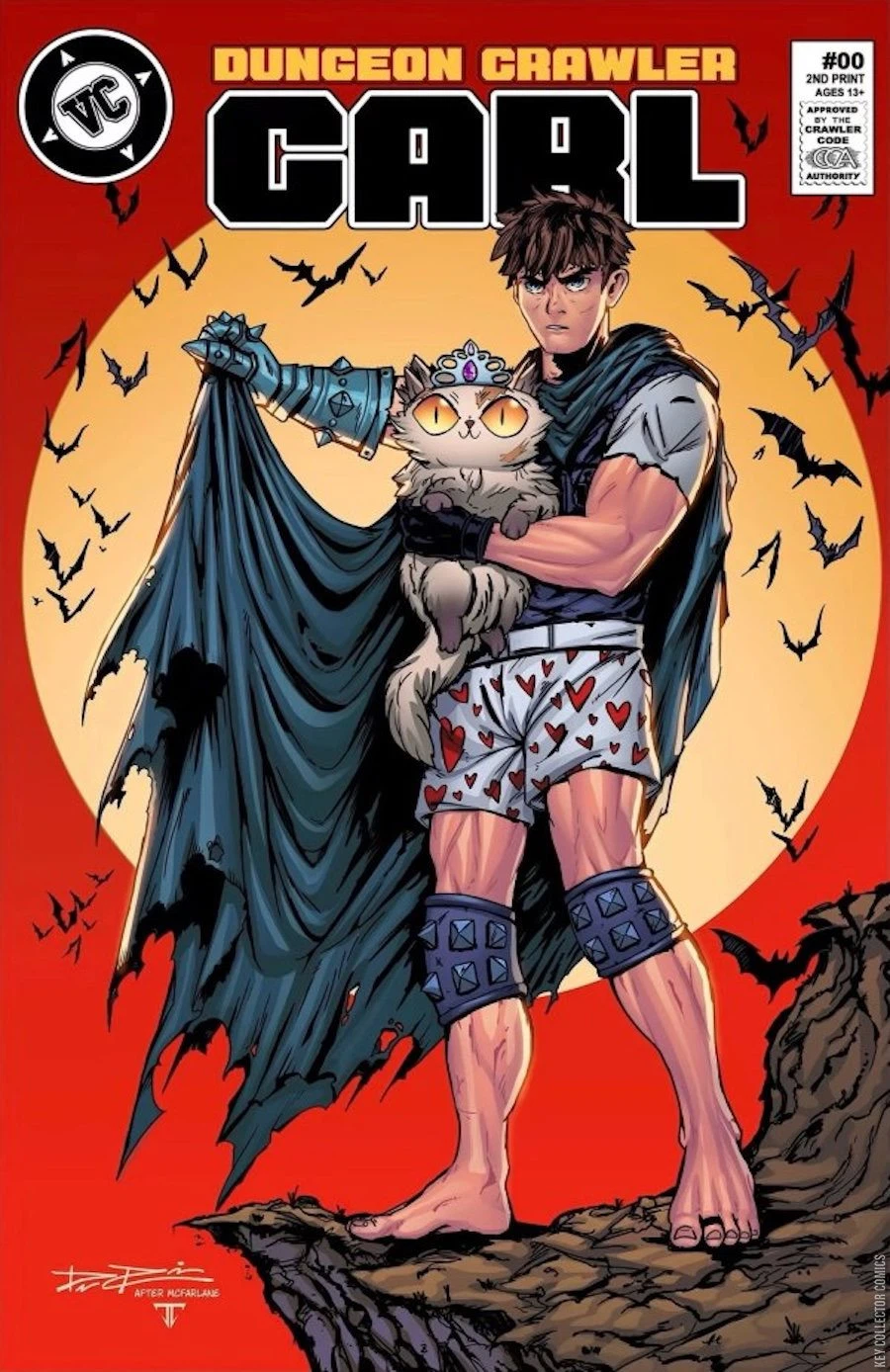
Now available
Jack Kirby’s looming Hulk and the smaller Bruce Banner silhouette became a template for transformations, alter egos and monster parodies.
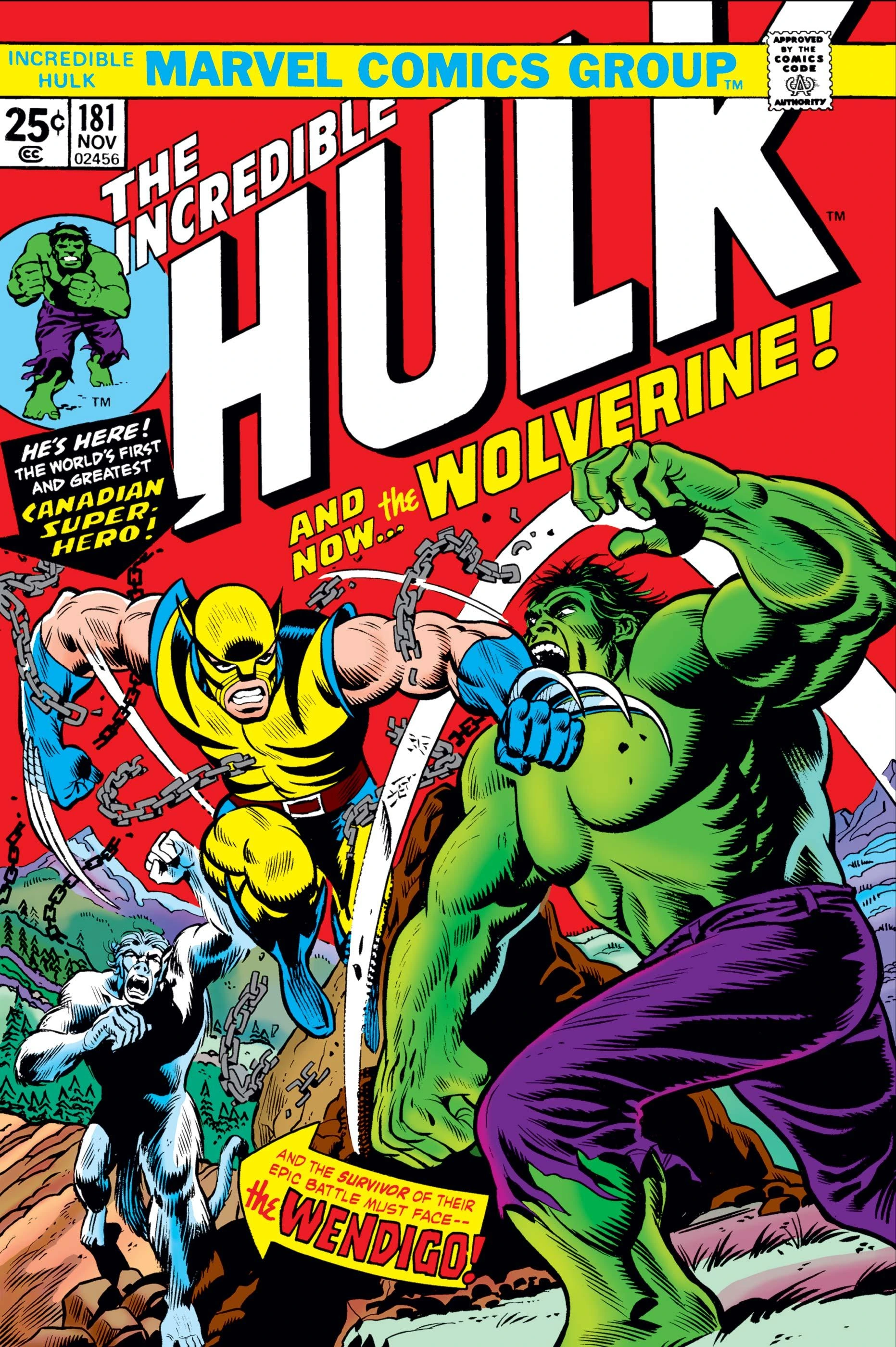
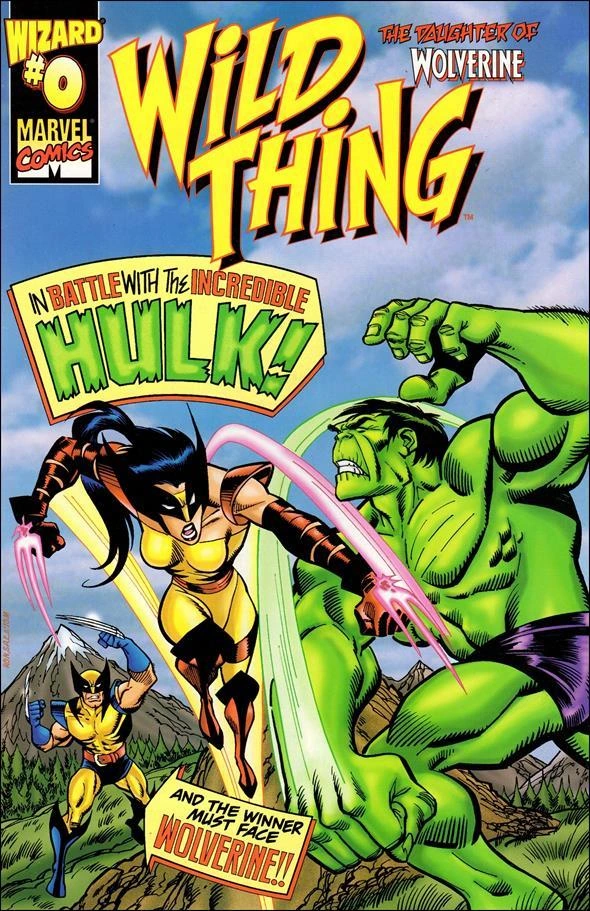
Herb Trimpe’s Wolverine debut cover frames a leaping combatant between two towering opponents, a confrontation echoed across decades of comics.
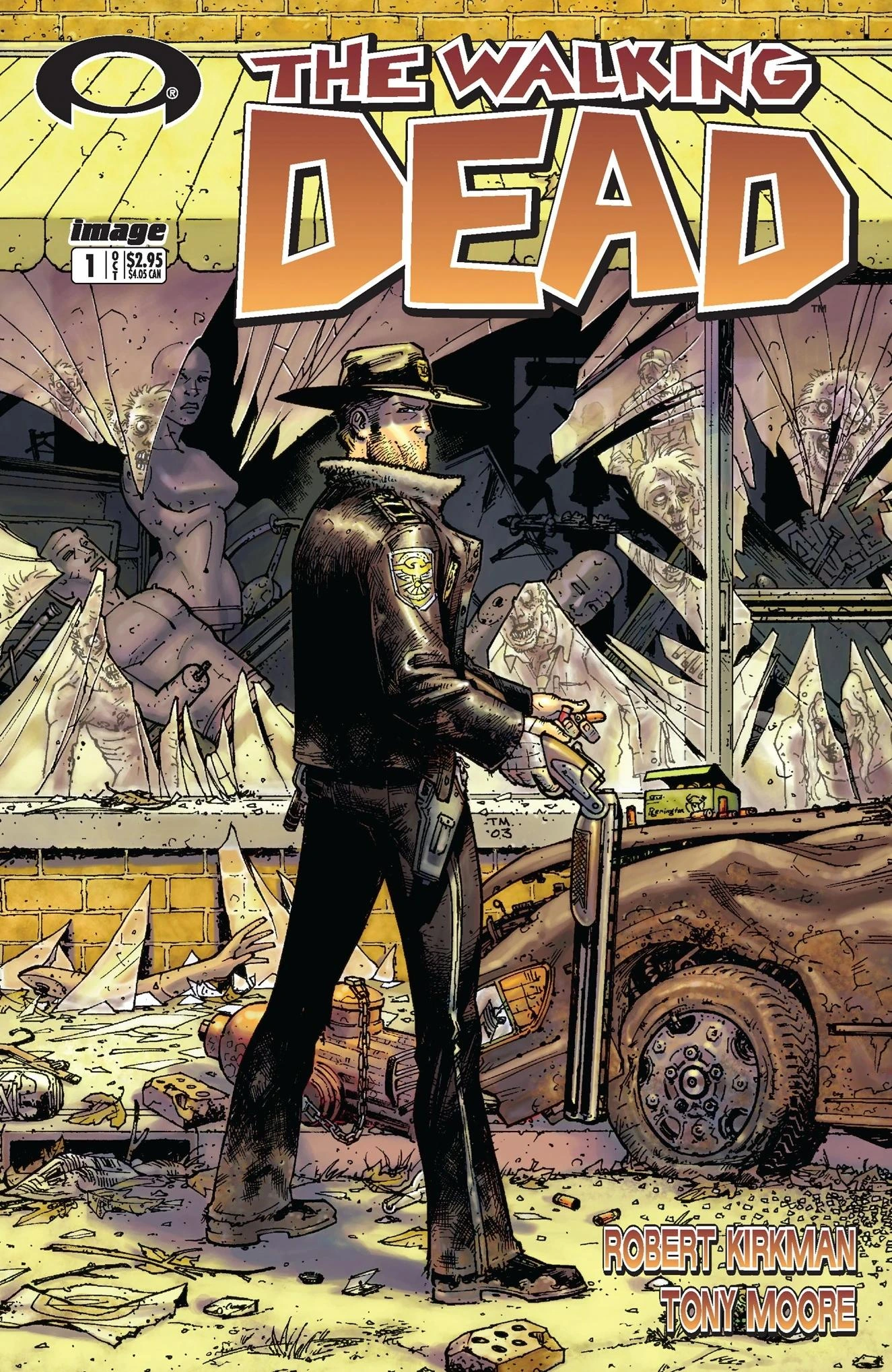
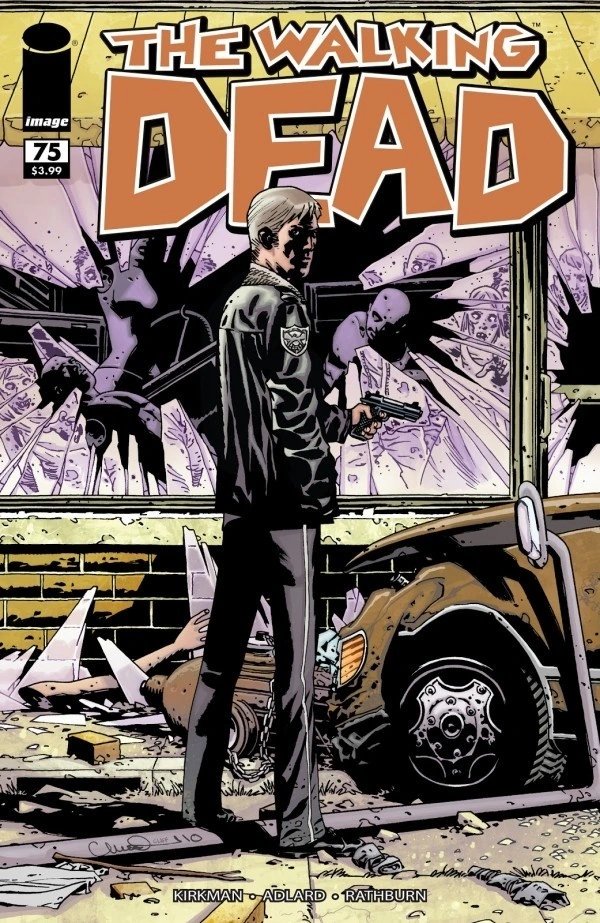
Tony Moore’s storefront scene places a lone survivor against a crowd of walkers. Later artists turn that street into a stage for heroes, monsters and parodies.
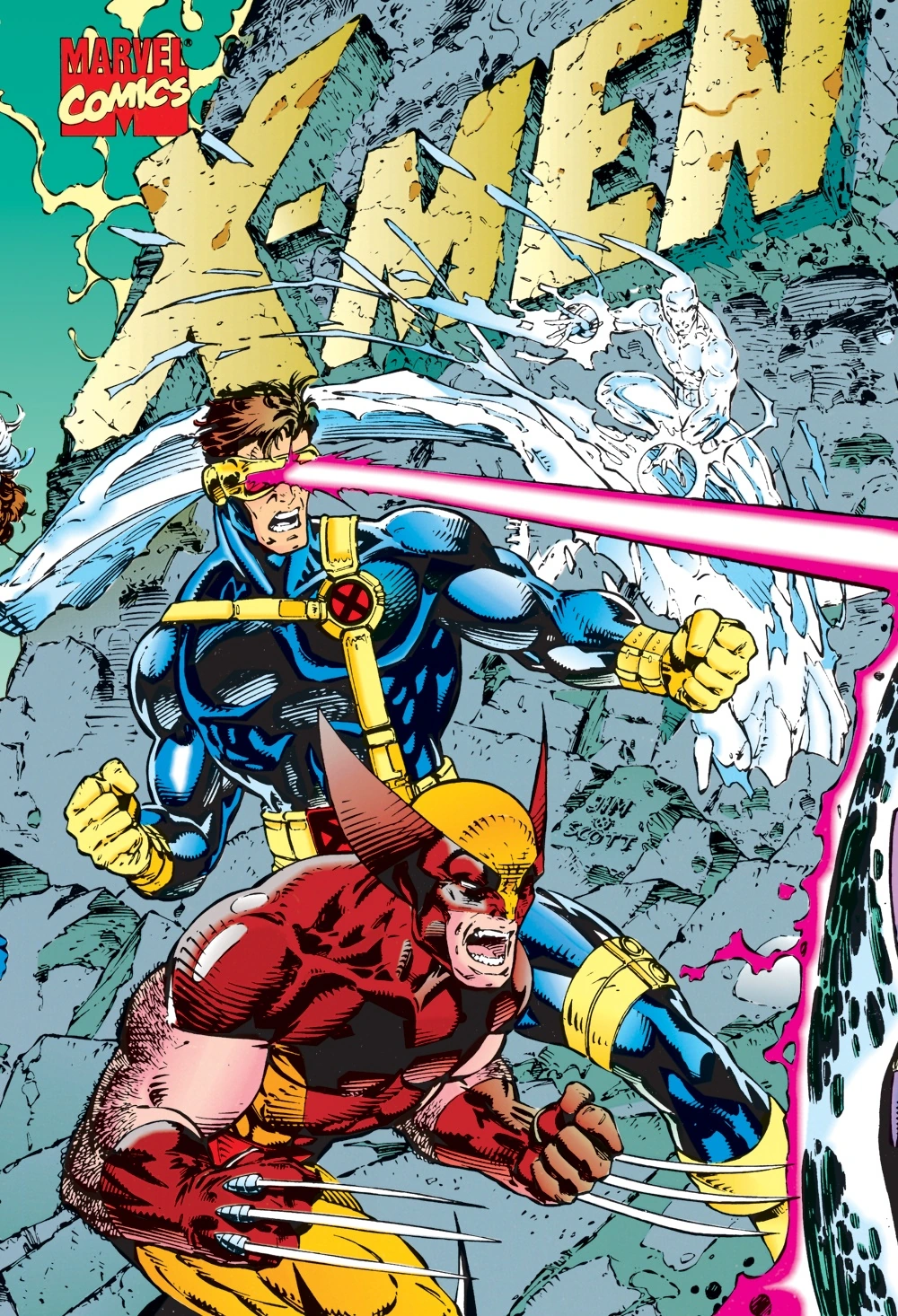
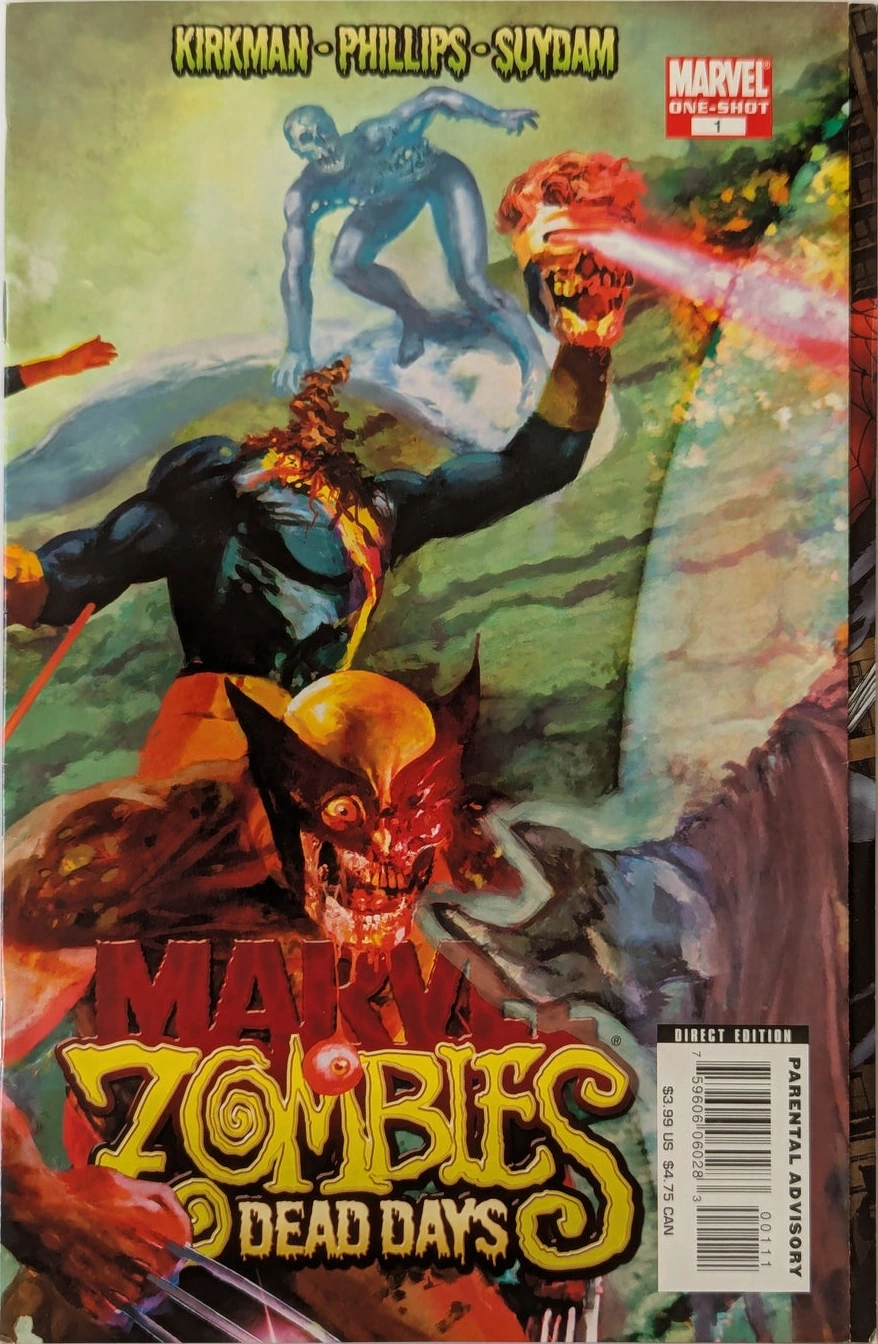
Jim Lee and Scott Williams spread the X-Men’s confrontation with Magneto across four connecting covers and a gatefold edition. The panorama became a template for entire fictional universes.
All collections
Explore each composition’s descendants, grouped by distinct artwork and documented across published editions.
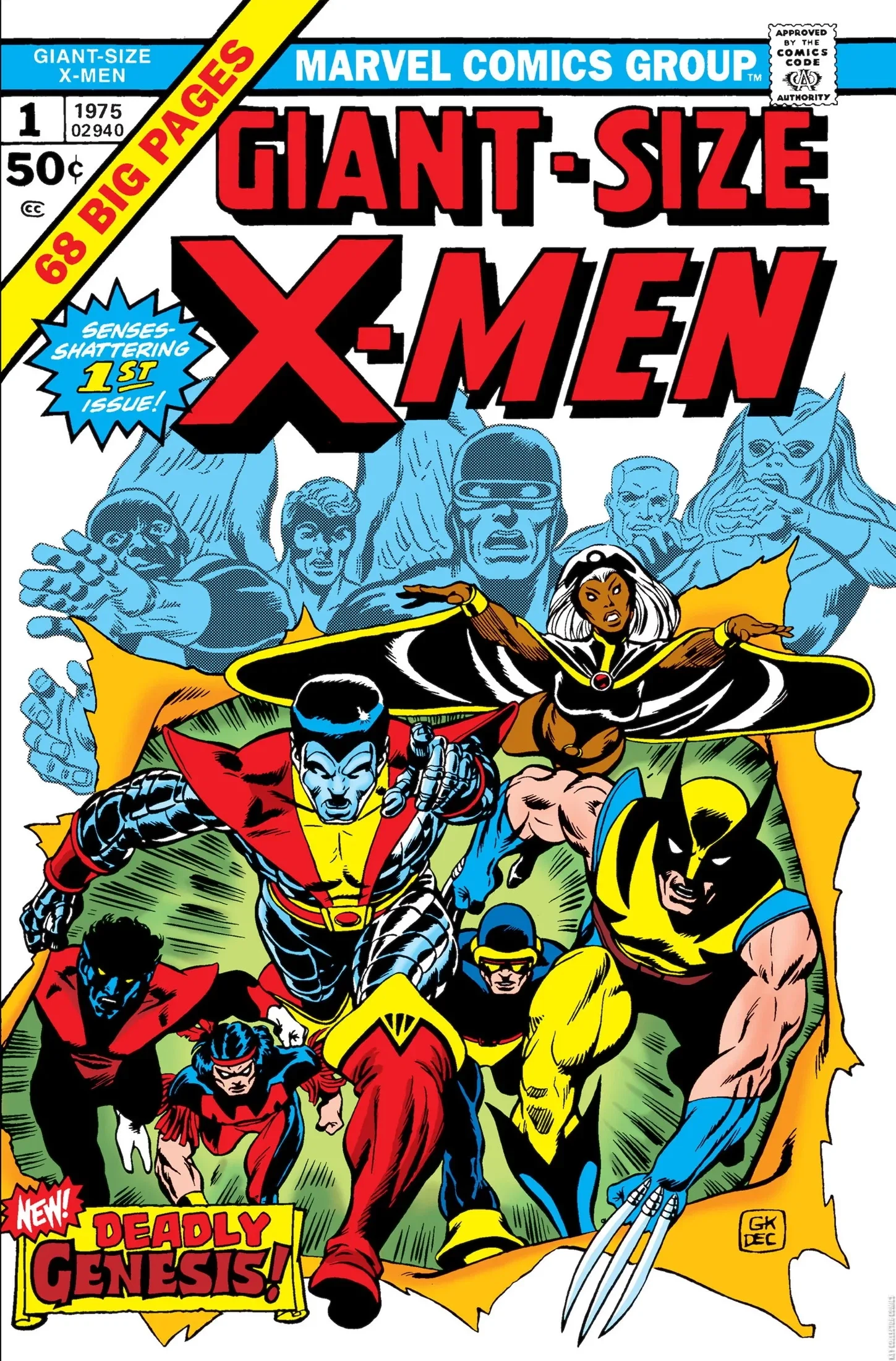
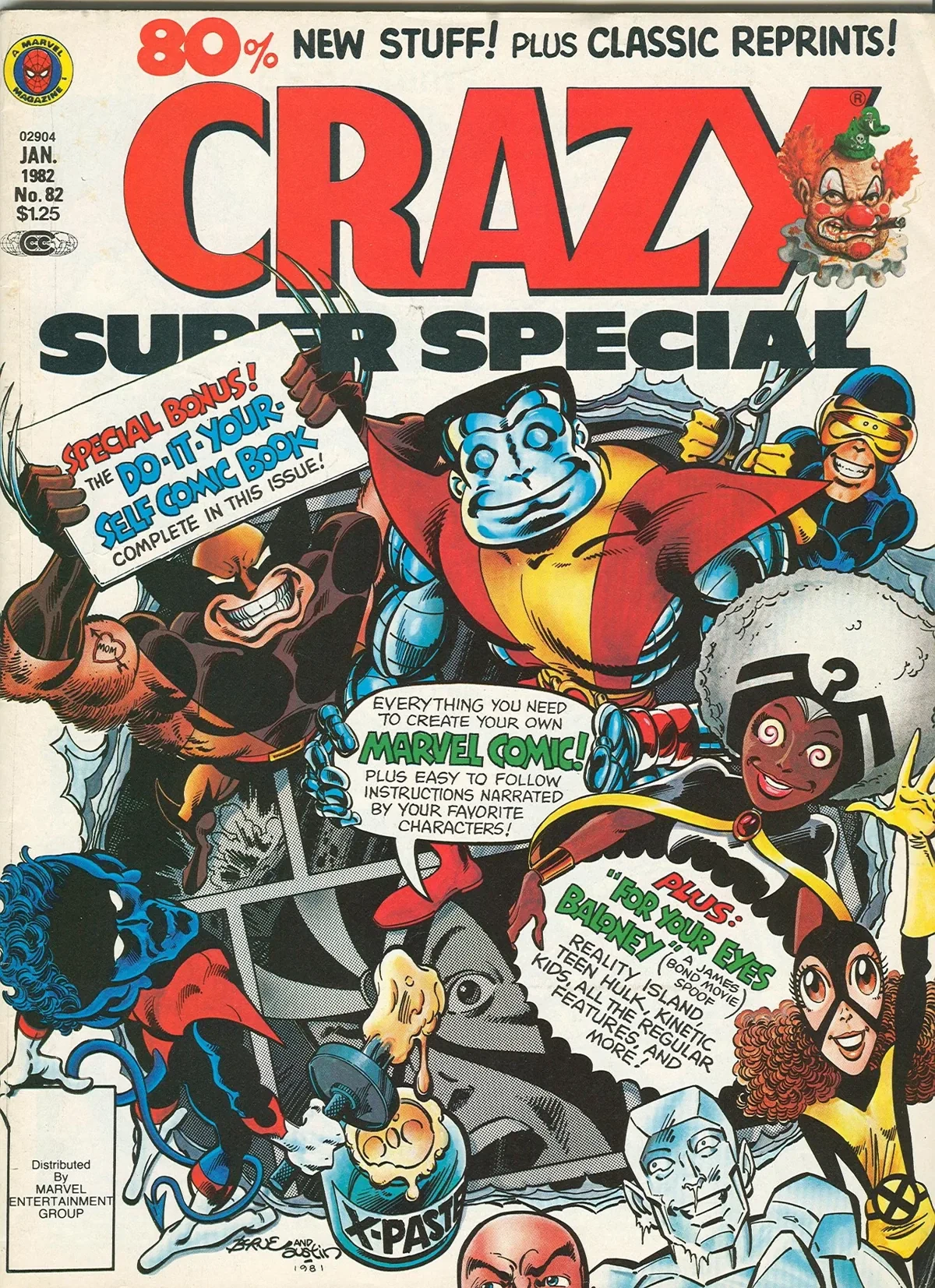
New catalog
Follow Kane and Cockrum’s breakthrough team composition across superheroes, humor and independent comics.
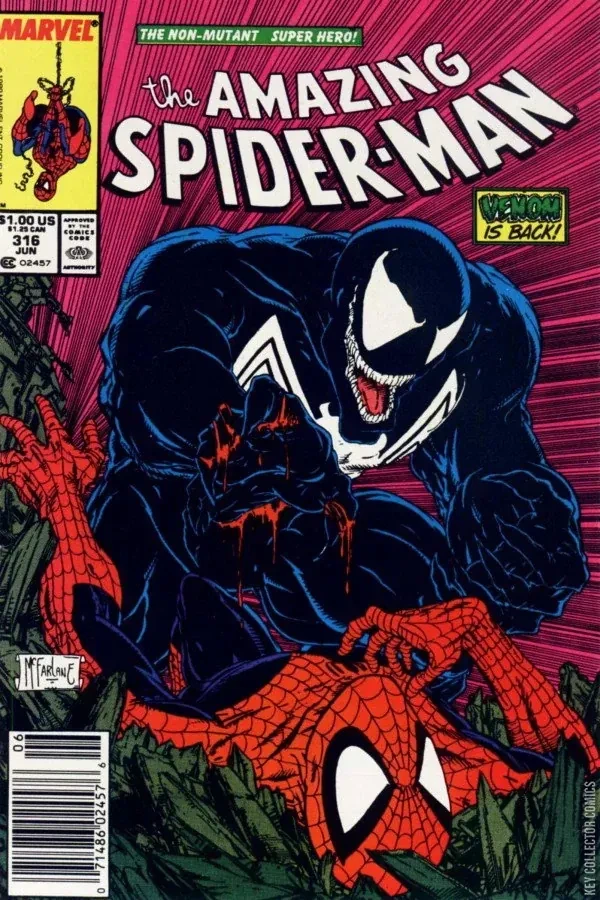
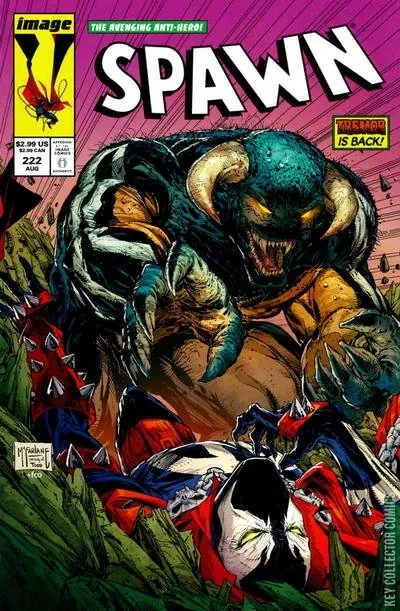
New catalog
Explore McFarlane’s villain-over-victim composition across superheroes, horror, indie comics, and convention exclusives.
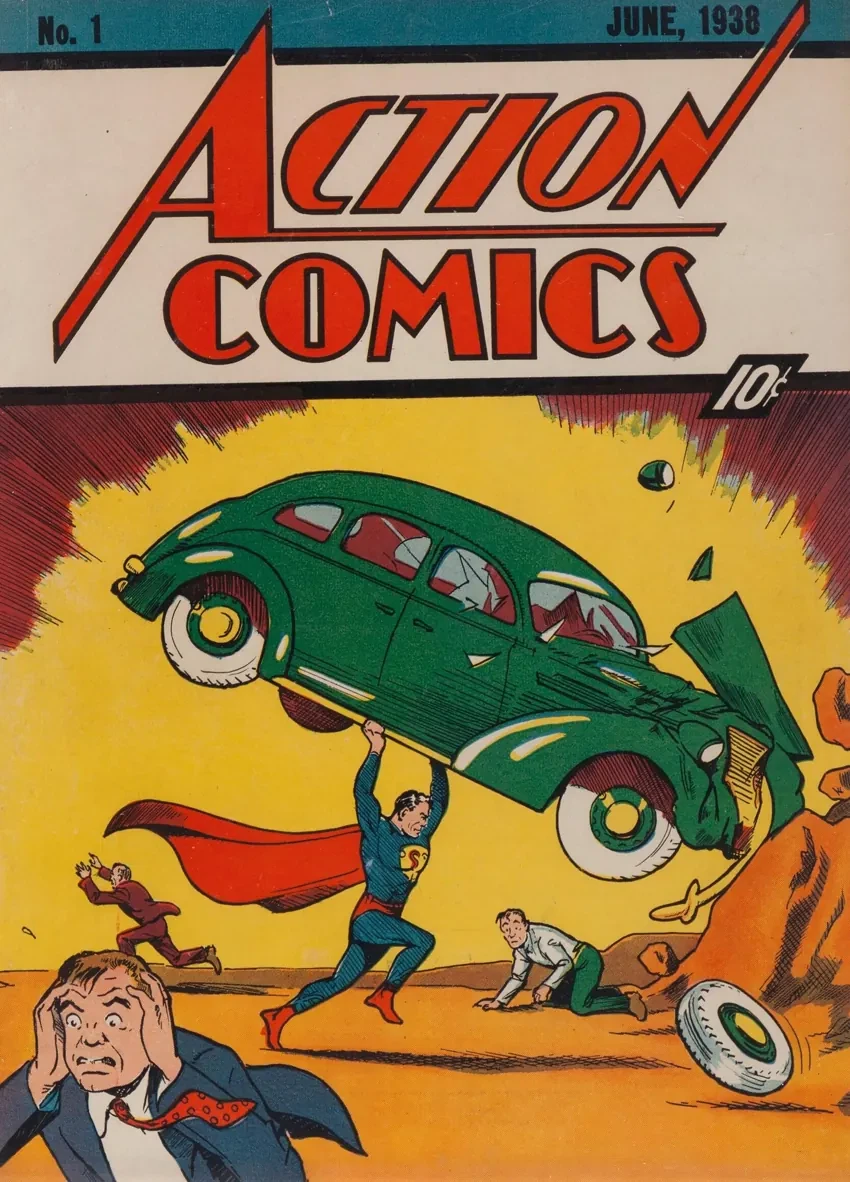
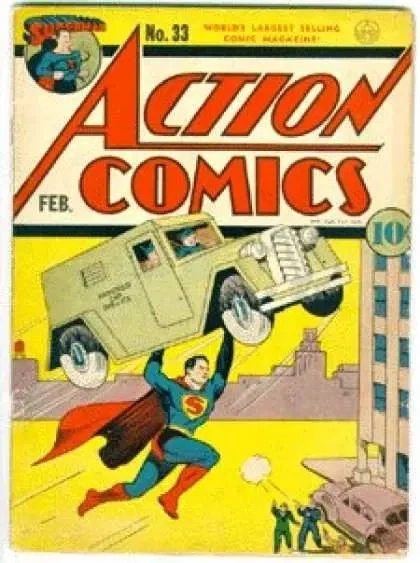
Joe Shuster’s Superman debut echoes across superheroes, indie comics, humor, magazines, and convention editions.
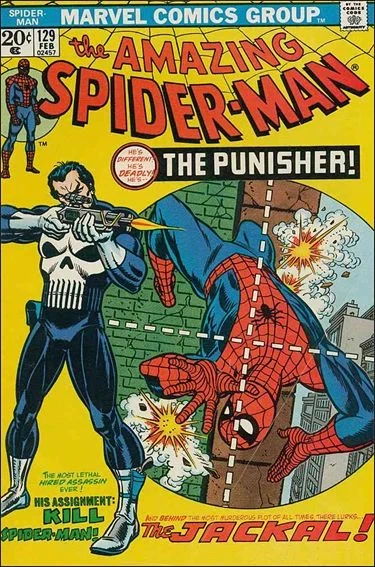
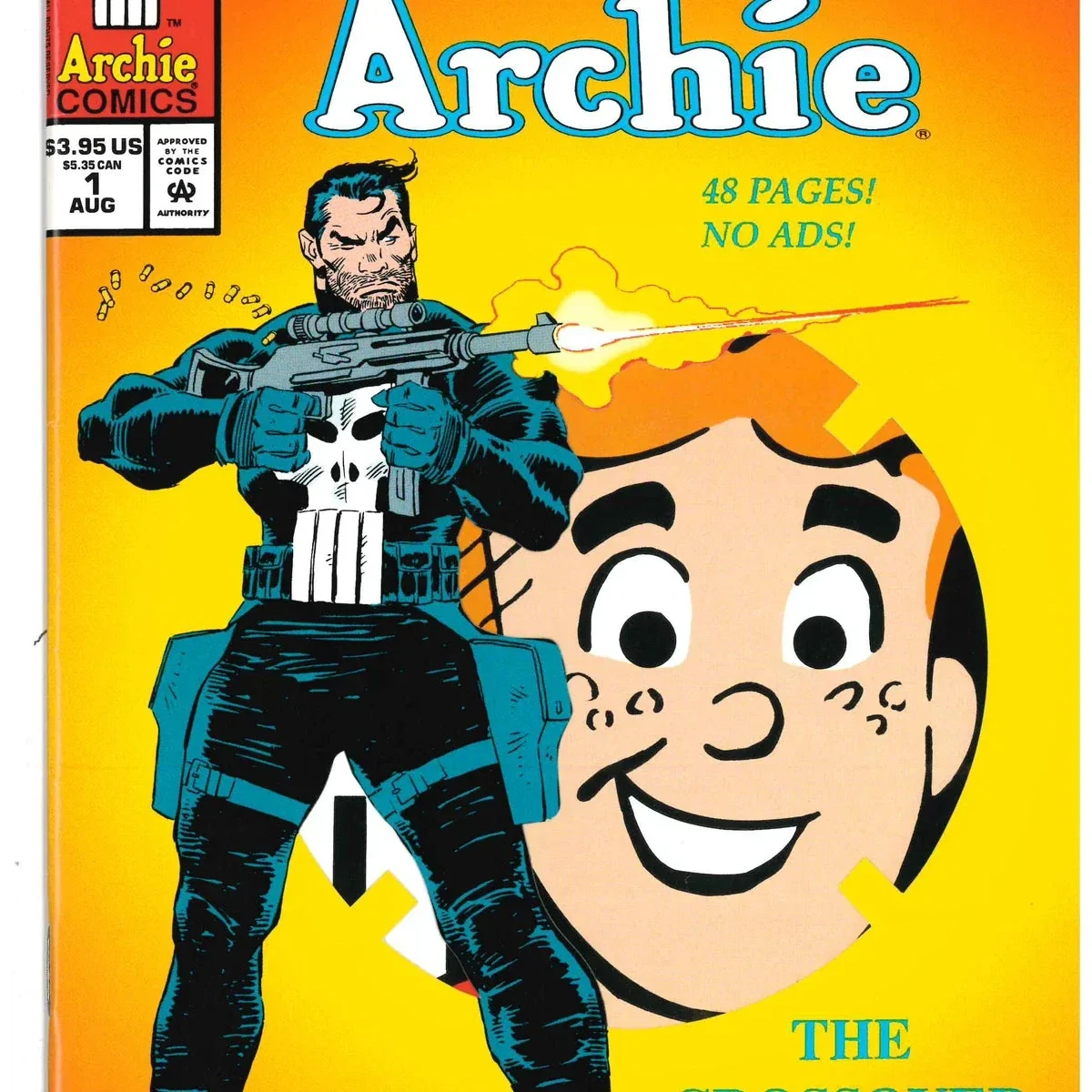
The Punisher’s debut confrontation echoes across Marvel, indie comics, humor, science fiction, and convention exclusives.
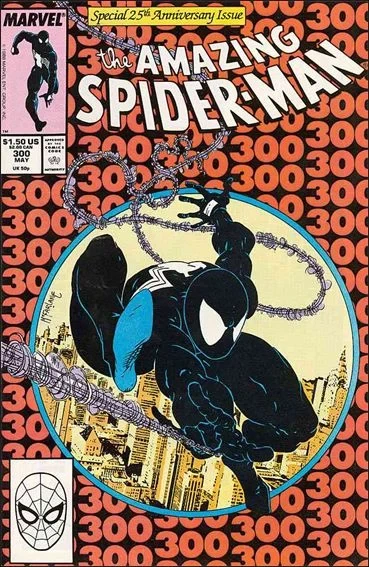
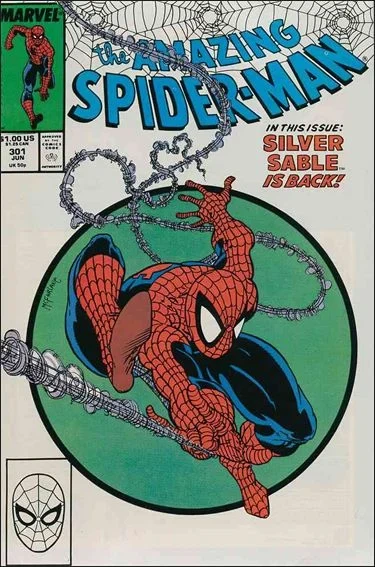
Todd McFarlane’s black-costume Spider-Man, circular frame, and repeating numerals echo across decades of comic covers.
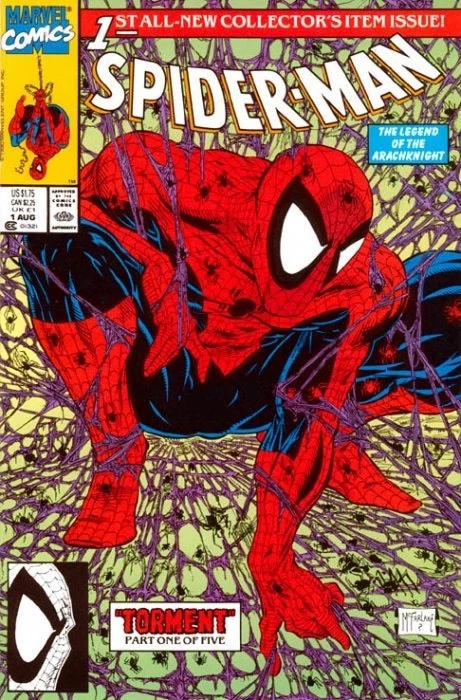

Todd McFarlane’s 1990 cover became one of comics’ most persistent visual quotations—a web-bound crouch reimagined by superheroes, monsters, cartoon icons, and independent creators.
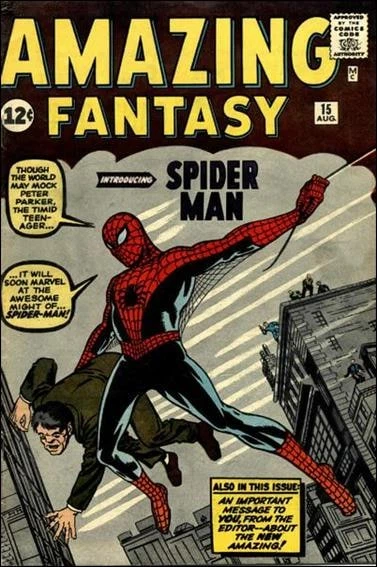

Jack Kirby and Steve Ditko’s 1962 composition introduced Spider-Man in motion—and established a visual template that artists have carried across superheroes, animation, horror, humor, and independent comics.
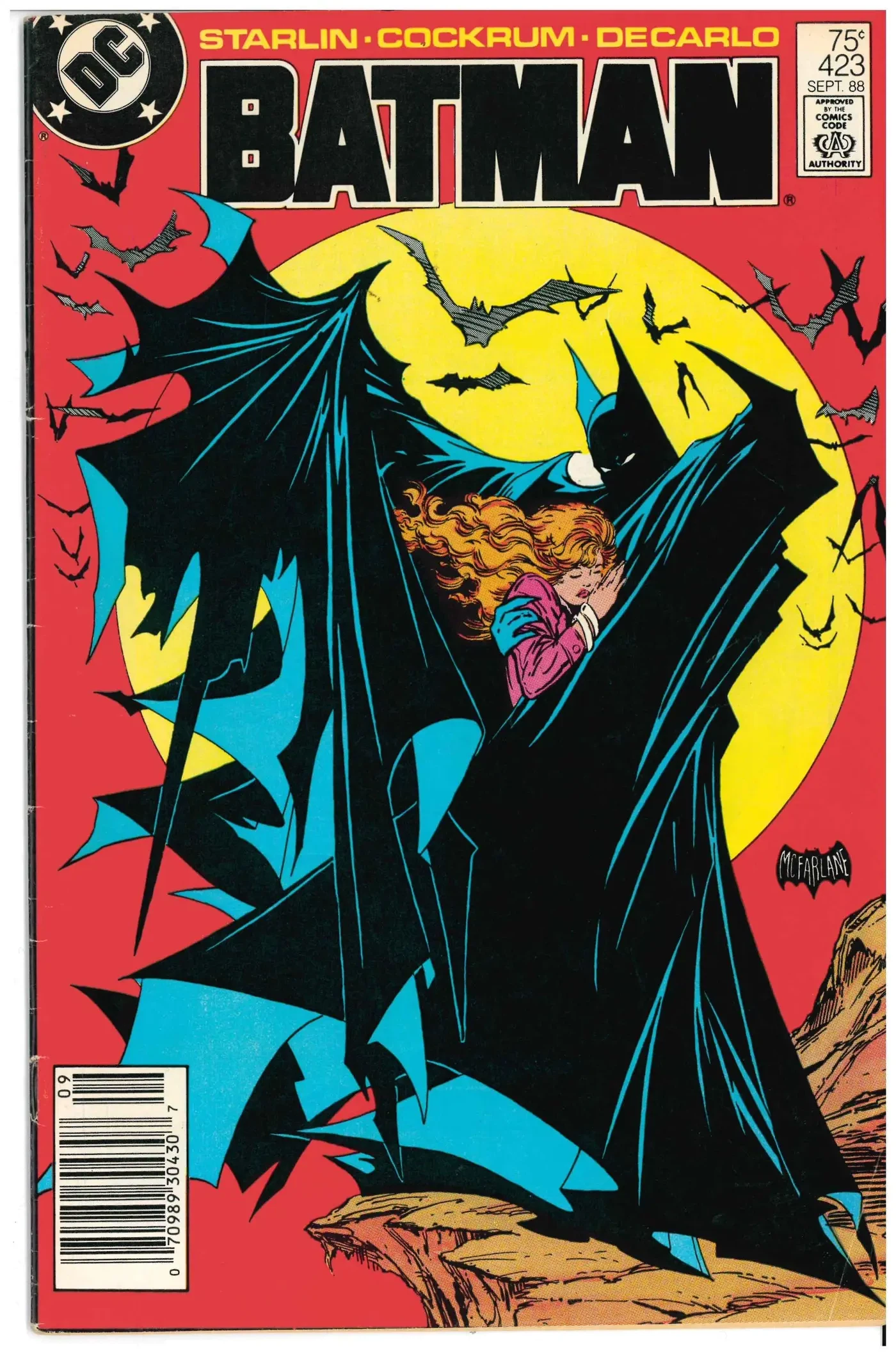
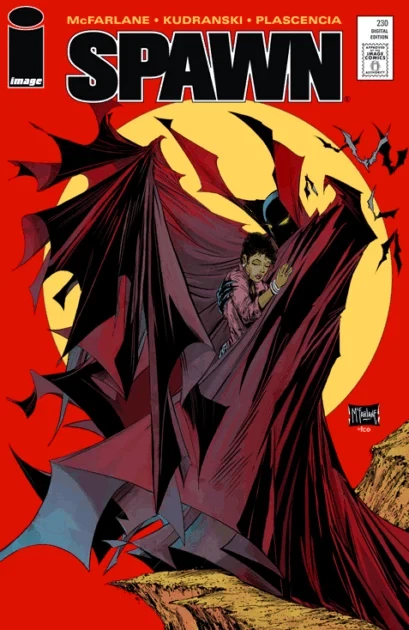
Todd McFarlane’s 1988 cover turned Batman’s cape into a protective silhouette—an image reinterpreted across superhero comics, independent books, magazines, ashcans, and published art books.
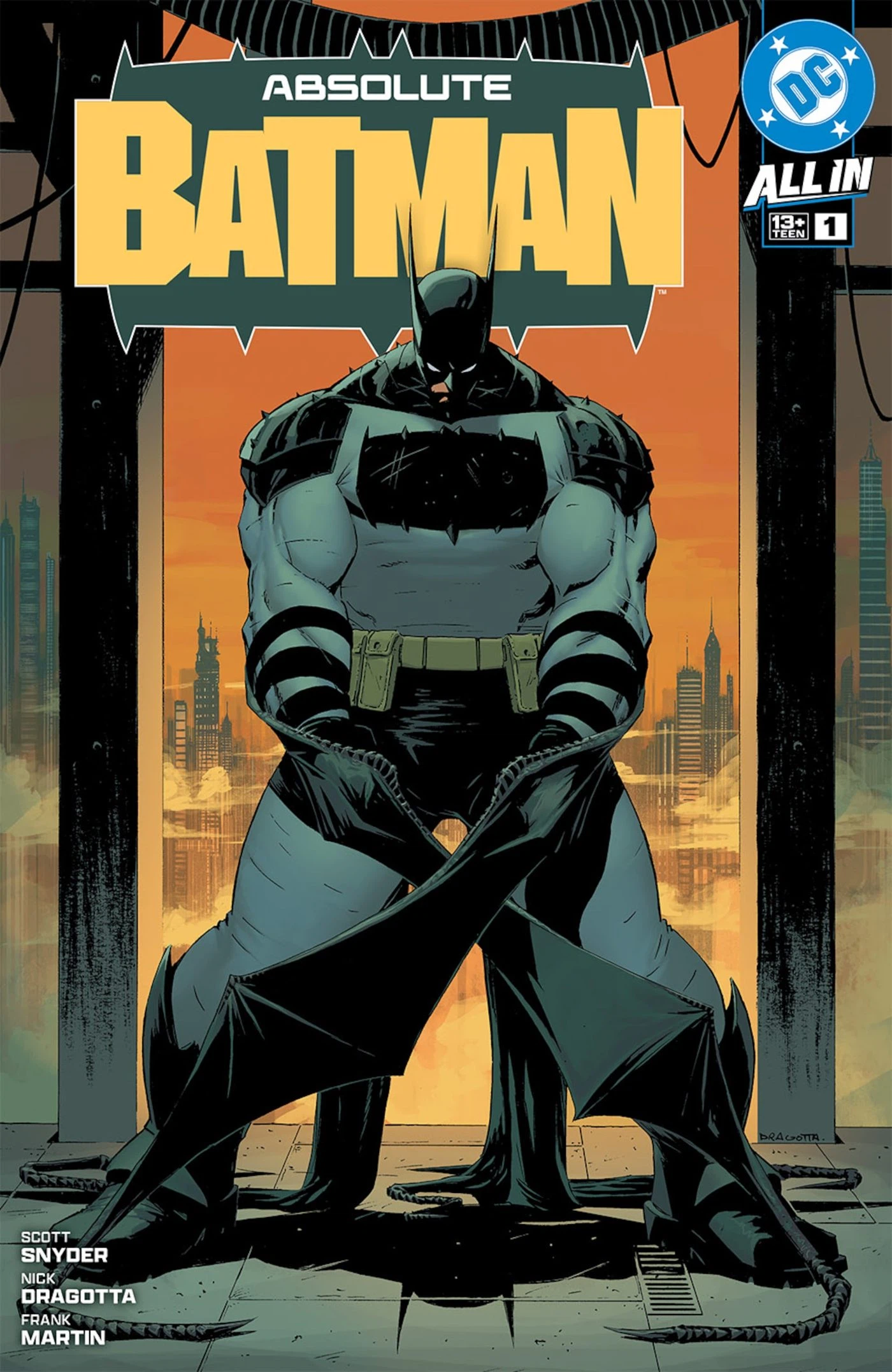
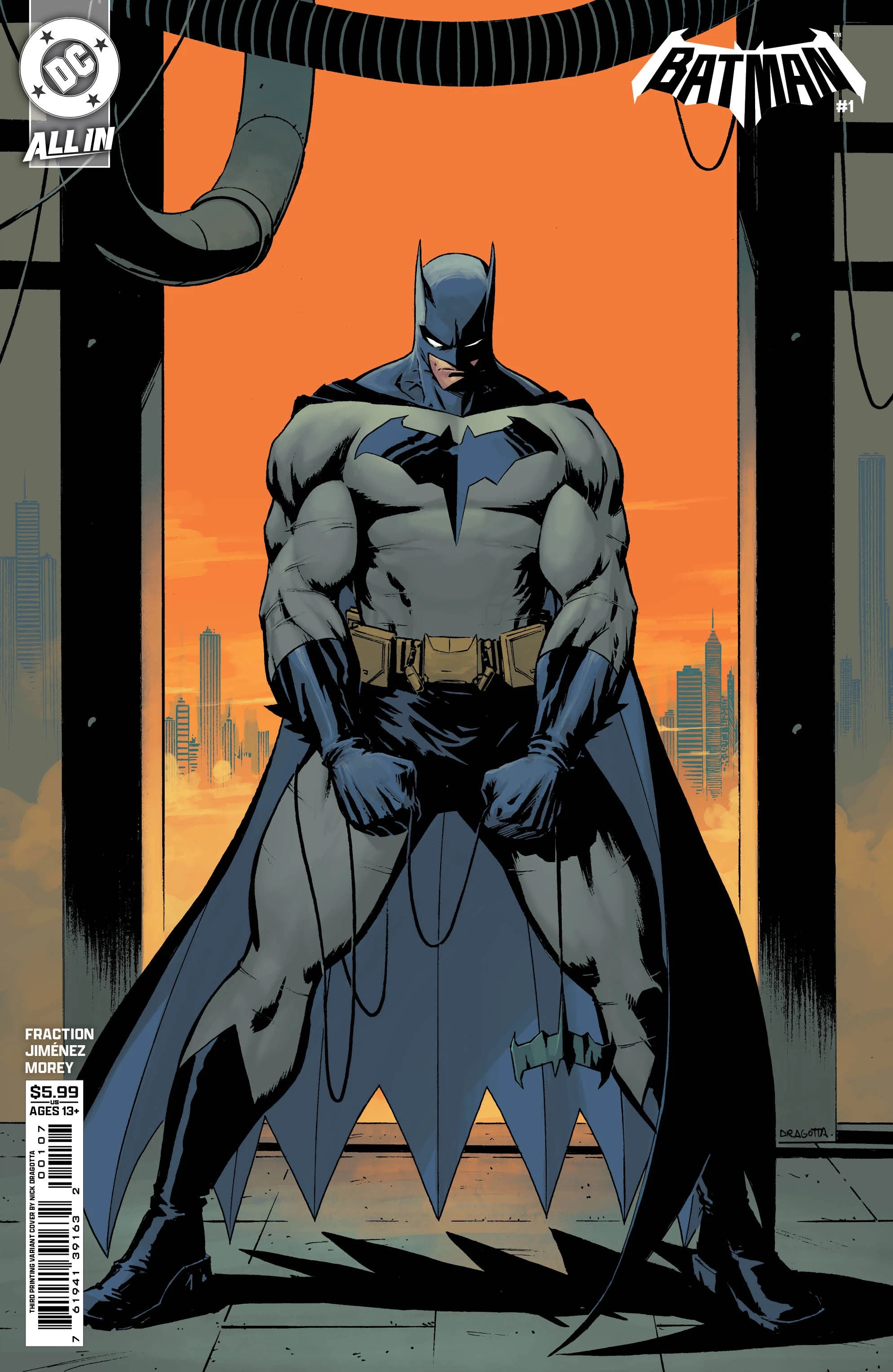
Nick Dragotta and Frank Martin’s 2024 cover transformed Batman into a monumental frame around Gotham—and quickly became a visual template across comics, magazines, art books, sketchbooks, and published interior art.
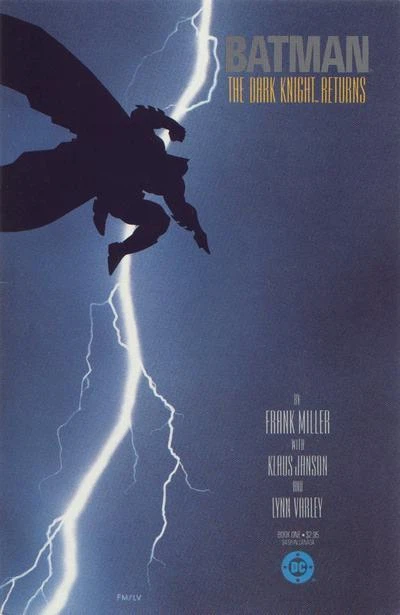
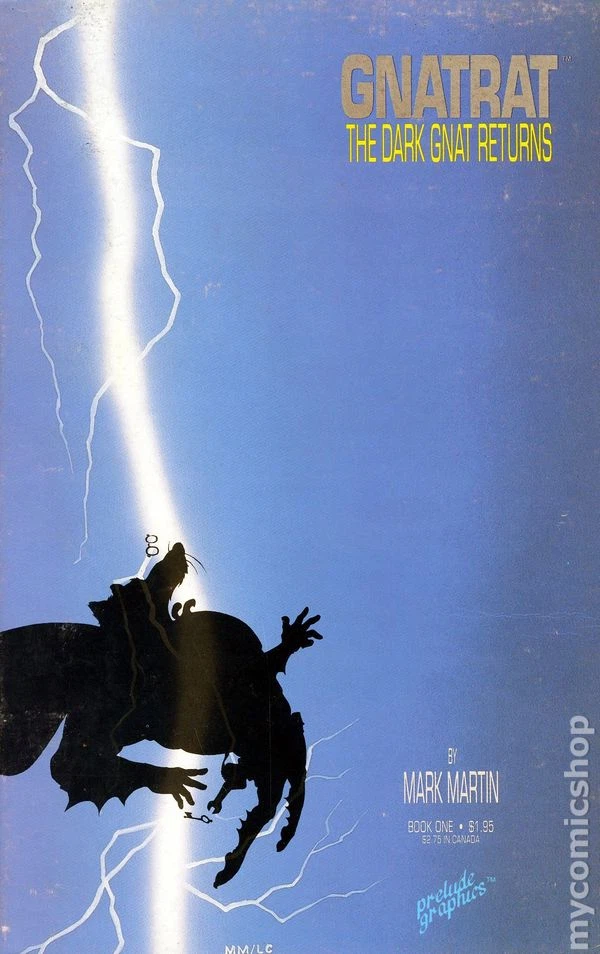
Frank Miller and Lynn Varley’s 1986 lightning-split silhouette became a lasting visual shorthand, reworked across superhero comics, independent books, parodies, and anniversary editions.
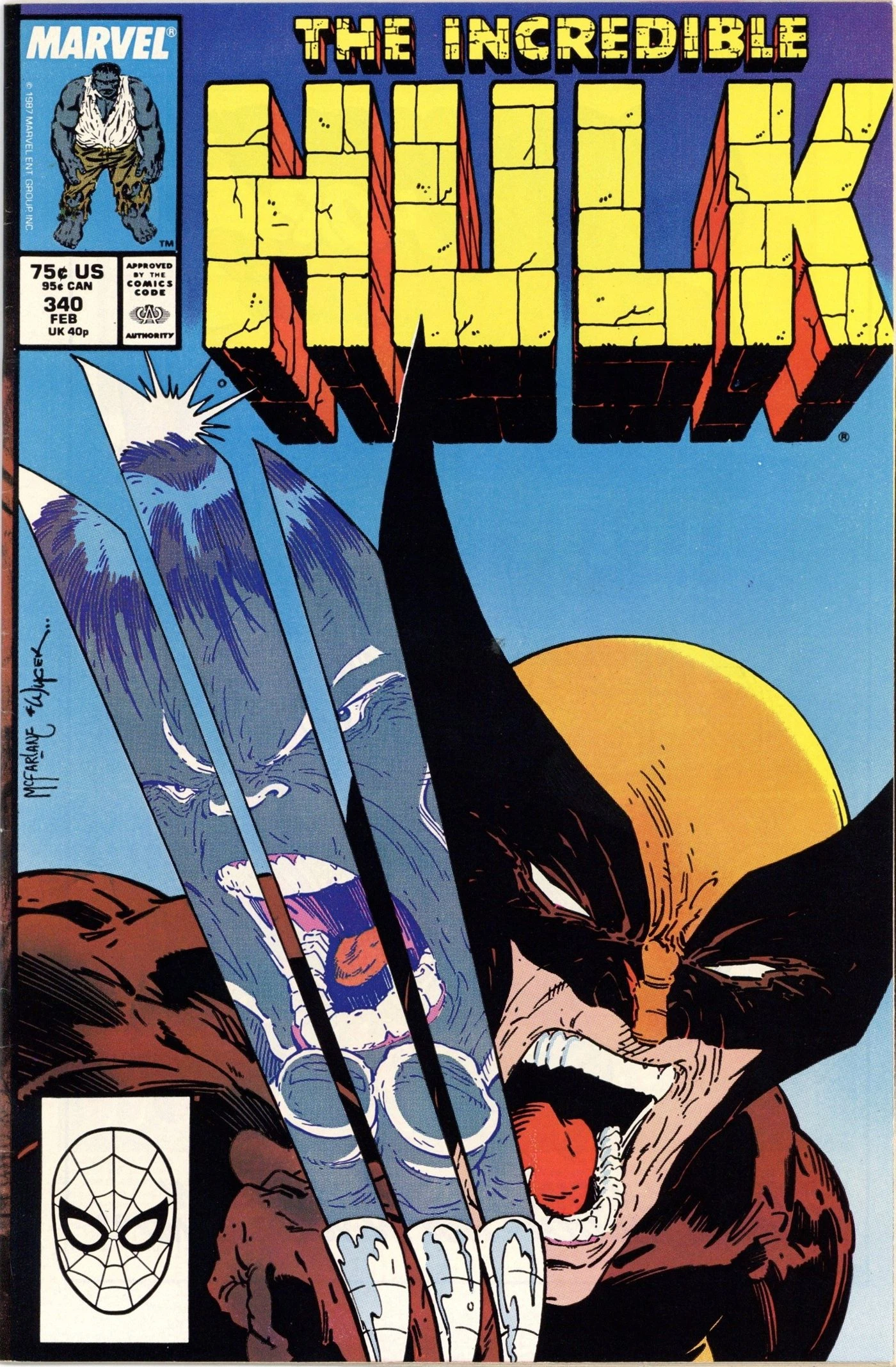
Todd McFarlane’s 1988 confrontation placed Wolverine in the foreground and reflected the Hulk across his claws—a composition reimagined across superhero comics, independent books, parodies, and convention exclusives.
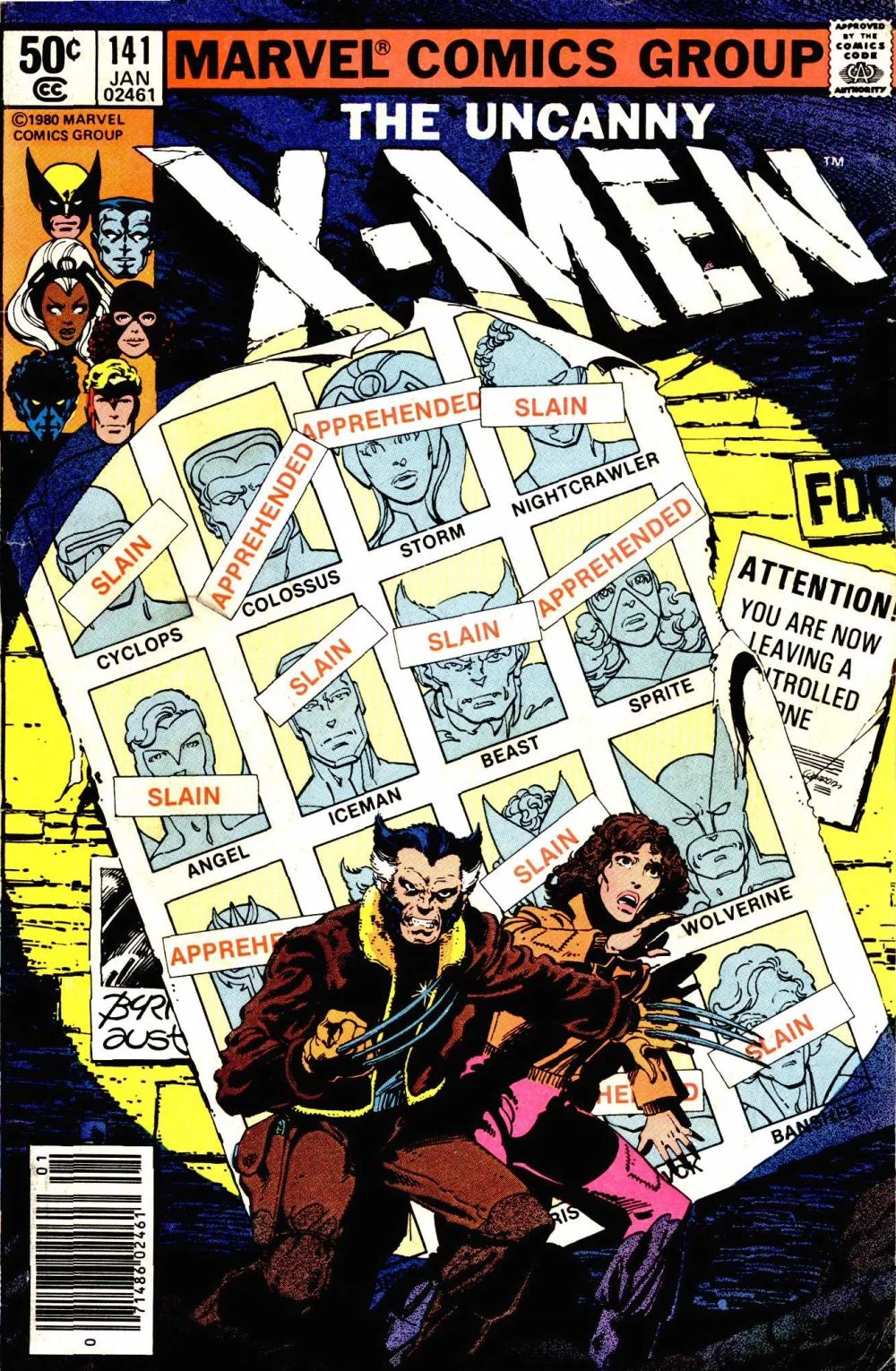
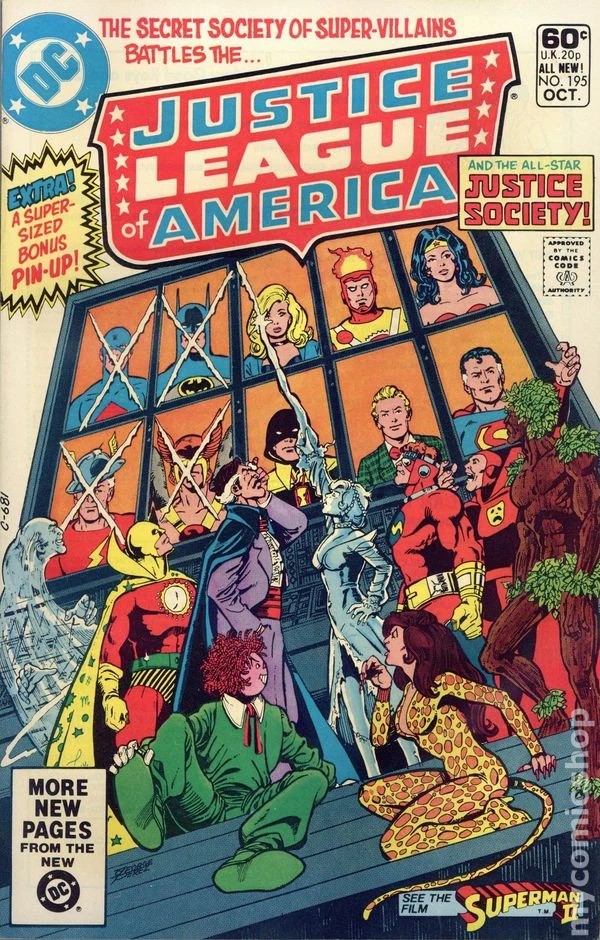
John Byrne and Terry Austin’s 1981 cover placed Wolverine and Kate Pryde beneath a devastating grid of wanted posters—an image reworked across superhero comics, magazines, independent books, and convention exclusives.
The archive ahead
Future collections will receive the same artwork and edition research as the catalogs available now.
The Lineage Dispatch